
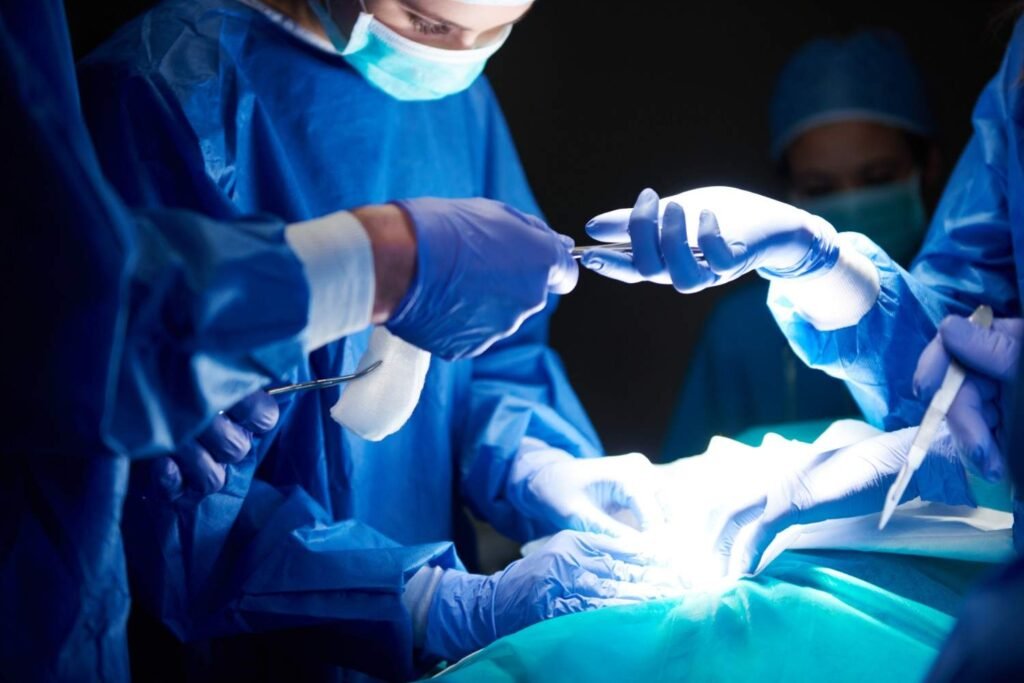
Minimally invasive surgery has transformed modern gynaecological care by offering effective treatment with smaller incisions and faster recovery in suitable cases. Consulting an experienced Laparoscopic Surgeon in Kailash Colony can help women understand their surgical options and choose an approach based on their medical needs. Dr. Maanvvi Maaini focuses on women’s health and provides guidance on gynaecological conditions that may require surgical treatment.
What Is Minimally Invasive Laparoscopic Surgery?
Laparoscopic surgery is a minimally invasive surgical technique used to diagnose and treat several medical conditions. Instead of making one large incision, the surgeon makes a few small cuts in the abdomen.
A thin instrument called a laparoscope, equipped with a camera and light, helps the surgeon view the internal organs on a screen. Specialised surgical instruments are then used to perform the procedure.
A Laparoscopic Surgeon in Kailash Colony evaluates whether this technique is appropriate based on the patient’s condition, medical history, and treatment requirements.
For more information, direct chat with us on WhatsApp.
Common Gynaecological Conditions Treated Through Laparoscopy
Laparoscopic surgery is widely used in gynaecology. It may help manage several conditions affecting the uterus, ovaries,s and reproductive organs.
Some common conditions include:
1. Ovarian Cysts
Ovarian cysts are fluid-filled sacs that develop in or around the ovaries. While many cysts disappear naturally, some may require surgical evaluation. Laparoscopy can be used to remove selected cysts while preserving healthy ovarian tissue whenever possible.
2. Endometriosis
Endometriosis occurs when tissue similar to the uterine lining grows outside the uterus. It may cause pelvic pain, painful periods, and fertility difficulties. Laparoscopic surgery can help identify and remove endometriosis lesions in suitable patients.
3. Uterine Fibroids
Fibroids are non-cancerous growths that develop in the uterus. Depending on their size and location, some fibroids can be removed through minimally invasive techniques such as laparoscopic myomectomy.
4. Ectopic Pregnancy
An ectopic pregnancy develops outside the uterus, most commonly in a fallopian tube. Laparoscopic surgery may be required to manage this potentially serious condition.
5. Pelvic Adhesions
Pelvic adhesions are bands of scar tissue that may develop after infections, inflammation,n or previous surgery. In selected cases, laparoscopy can help identify and release these adhesions.
Benefits of Consulting a Laparoscopic Surgeon in Kailash Colony
Choosing an experienced Laparoscopic Surgeon in Kailash Colony can help women understand the available surgical approaches and their expected outcomes.
Some potential benefits of laparoscopic surgery include:
1. Smaller Surgical Incisions
Laparoscopic procedures generally require small incisions instead of a large abdominal opening. This can reduce tissue disruption.
2. Less Postoperative Discomfort
Many patients experience less pain after laparoscopic surgery compared with traditional open surgery. However, individual experiences may vary.
3. Faster Recovery
Smaller incisions may support quicker recovery. Many patients can return to their regular activities sooner, depending on the procedure and their overall health.
4. Reduced Hospital Stay
Some laparoscopic procedures allow patients to leave the hospital earlier than traditional open surgery. The length of stay depends on the complexity of the operation.
5. Smaller Scars
Because laparoscopic surgery uses smaller incisions, visible scarring is generally less noticeable.
Laparoscopic Surgery vs Traditional Open Surgery
Both laparoscopic and open surgery have important roles in modern gynaecological treatment.
| Laparoscopic Surgery | Open Surgery |
| Uses small incisions | Uses a larger incision |
| Often involves less postoperative discomfort | May involve more postoperative discomfort |
| Usually offers faster recovery | May require longer recovery |
| Generally results in smaller scars | Usually results in a larger scar |
| Requires specialised equipment | Uses a conventional surgical approach |
The most suitable method depends on the patient’s condition, surgical complexity,y and overall health. Laparoscopic surgery is not appropriate for every patient.
What to Expect Before and After Laparoscopic Surgery?
Before surgery, the doctor reviews the patient’s medical history, symptoms,ms and diagnostic reports. Ultrasound scans, blood tests, and other investigations may be recommended.
Patients also receive instructions about fasting, medications,s and preparation for the procedure.
After surgery, recovery guidance may include:
- Taking prescribed medications as directed.
- Keeping surgical incisions clean and dry.
- Avoiding strenuous activities until medically advised.
- Attending scheduled follow-up appointments.
- Reporting fever, increasing abdominal pain, or unusual bleeding.
Following medical instructions can support a smooth recovery.
How to Choose the Right Laparoscopic Surgeon in Kailash Colony?
Selecting the right surgeon is an important part of planning treatment. Women should consider the surgeon’s qualifications, experience in the relevant procedure, and approach to patient care.
A consultation with Dr. Maanvvi Maaini can help patients understand their condition, discuss suitable treatment options, and make informed decisions about gynaecological surgery.
It is also important to discuss possible risks, expected recovery time,e and fertility considerations before proceeding with surgery.
Conclusion
Minimally invasive surgery offers several advantages for women who require treatment for certain gynaecological conditions. Smaller incisions, reduced postoperative discomfort, and faster recovery make laparoscopy a valuable option in suitable cases.
If you are considering gynaecological surgery, consulting an experienced Laparoscopic Surgeon in Kailash Colony can help you understand your options. Dr. Maanvvi Maaini provides guidance focused on individual health needs and appropriate treatment planning.
Frequently Asked Questions
1. Is laparoscopic surgery safe for women?
Laparoscopic surgery is generally considered safe when performed by a qualified surgical team. However, like every surgical procedure, it carries certain risks.
2. How long does recovery from laparoscopic surgery take?
Recovery varies depending on the type of procedure, overall health, and individual healing. Many patients recover faster than they would after open surgery.
3. Can ovarian cysts be removed through laparoscopy?
Yes. Selected ovarian cysts can be removed laparoscopically. The approach depends on the cyst’s type and characteristics.
4. Does laparoscopic surgery affect fertility?
The effect depends on the underlying condition and the procedure performed. Surgeons generally aim to preserve reproductive organs and healthy tissue whenever medically possible.
5. Are all gynaecological surgeries performed laparoscopically?
No. Some conditions require open surgery or other treatment approaches. The surgeon recommends a method based on individual medical requirements.
For more information about Dr. Surbhi Gupta Jain, visit https://share.google/RhynARSeqtoSvpIqG to learn more about their services or to book an appointment.