
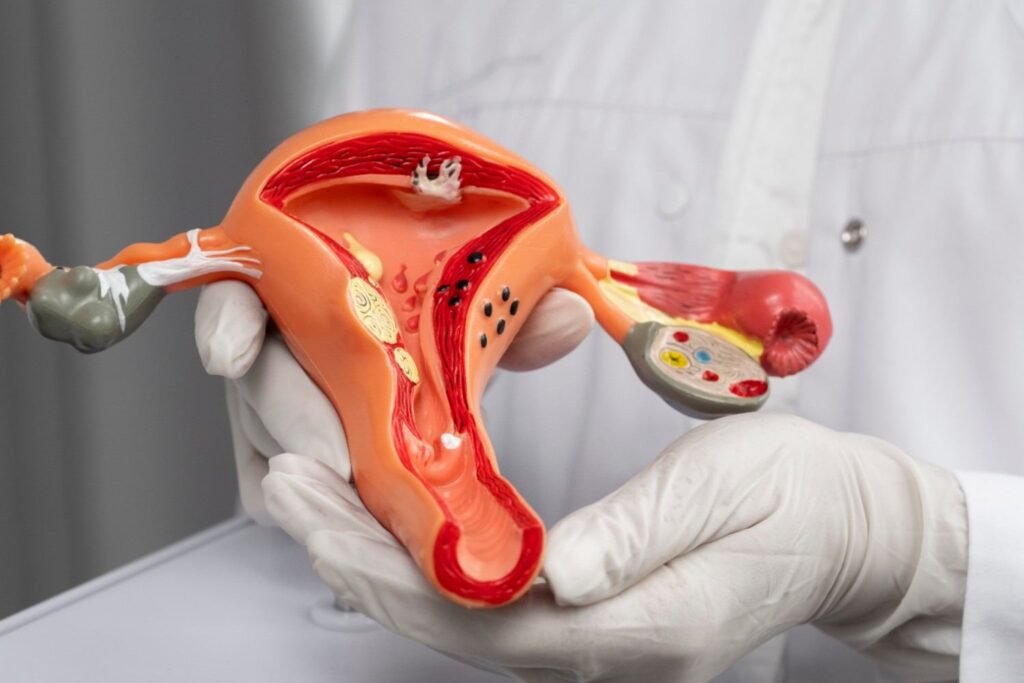
Introduction
Women’s reproductive health can be affected by several conditions involving the uterus. Problems such as heavy menstrual bleeding, irregular periods, uterine polyps, and difficulty conceiving may sometimes be linked to abnormalities inside the uterine cavity. Identifying the exact cause is important for choosing the right treatment. A Hysteroscopy Surgeon in Greater Kailash can help diagnose and manage many of these conditions through a minimally invasive procedure called hysteroscopy.
Hysteroscopy allows a gynaecologist to examine the inside of the uterus using a thin instrument equipped with a camera. It provides a clear view of the uterine cavity and helps identify abnormalities that may not be fully understood through routine examinations. In some cases, treatment can also be performed during the same procedure.
For more information, direct chat with us on WhatsApp.
What Is Hysteroscopy and How Does It Work?
Hysteroscopy is a minimally invasive gynaecological procedure used to examine the inside of the uterus. During the procedure, a thin instrument called a hysteroscope is gently passed through the vagina and cervix into the uterine cavity.
The hysteroscope has a small camera and light source. These allow the doctor to view the uterine lining on a monitor. A sterile fluid is generally used to expand the uterine cavity, making it easier to examine the internal structures.
A Hysteroscopy Surgeon in Greater Kailash may recommend this procedure when a woman experiences unexplained bleeding, suspected uterine abnormalities, or certain fertility-related concerns.
There are two main types of hysteroscopy:
- Diagnostic Hysteroscopy: This procedure helps examine the uterine cavity and identify abnormalities.
- Operative Hysteroscopy: This procedure allows the doctor to treat certain conditions, such as removing polyps, fibroids, or scar tissue.
The choice depends on the patient’s symptoms, medical history, and examination findings.
Which Uterine Conditions Can Hysteroscopy Diagnose and Treat?
Hysteroscopy is useful for identifying and treating several conditions affecting the uterine cavity. Some common examples include:
1. Uterine Polyps
Uterine polyps are small growths that develop from the inner lining of the uterus. They may cause heavy periods, bleeding between periods, or irregular menstrual cycles.
In some women, polyps may also be associated with fertility difficulties. Hysteroscopy allows the doctor to examine their size and location. If removal is recommended, an operative procedure called hysteroscopic polypectomy can be performed.
A Hysteroscopy Surgeon in Greater Kailash can assess whether the polyps require removal based on symptoms, medical history, and individual risk factors.
2. Uterine Fibroids
Fibroids are non-cancerous growths that develop in or around the uterus. Submucosal fibroids grow towards the uterine cavity and may affect menstrual bleeding or reproductive health.
Hysteroscopy can help identify fibroids that extend into the uterine cavity. In suitable cases, they can be removed through hysteroscopic myomectomy.
The treatment approach depends on the fibroid’s size, location, and depth. Not every fibroid can be treated through hysteroscopy.
3. Intrauterine Adhesions
Intrauterine adhesions are bands of scar tissue that develop inside the uterus. They may occur following certain uterine procedures, infections, or pregnancy-related complications.
These adhesions can sometimes cause lighter periods, absent menstruation, or difficulty conceiving.
Hysteroscopy helps the doctor directly examine the uterine cavity and identify scar tissue. If required, operative hysteroscopy may be used to carefully separate the adhesions and restore the cavity.
4. Abnormal Uterine Bleeding
Heavy menstrual bleeding, prolonged periods, and bleeding between cycles can have several underlying causes.
These symptoms may be associated with polyps, submucosal fibroids, or changes in the uterine lining.
A Hysteroscopy Surgeon in Greater Kailash may recommend diagnostic hysteroscopy when initial investigations do not provide sufficient information about the cause of abnormal bleeding.
The procedure allows direct examination of the uterine lining. A tissue sample may also be collected for further laboratory evaluation when necessary.
5. Uterine Abnormalities Affecting Fertility
The shape and internal structure of the uterus can influence reproductive health. Conditions such as a uterine septum or intrauterine adhesions may affect some women’s ability to conceive or maintain a pregnancy.
Hysteroscopy allows the doctor to examine these structural abnormalities more closely. In selected cases, operative treatment may help correct certain abnormalities.
However, fertility problems can have multiple causes. Therefore, hysteroscopy is recommended only when the patient’s medical evaluation indicates that examining the uterine cavity may be beneficial.
How Does the Hysteroscopy Procedure Take Place?
Understanding the procedure can help women feel more comfortable before undergoing treatment.
Although the exact steps depend on whether diagnostic or operative hysteroscopy is planned, the process generally involves the following stages:
1. Initial Consultation
The doctor reviews the patient’s symptoms, menstrual history, previous treatments, and medical records. An ultrasound or other investigations may be recommended.
2. Preparation Before the Procedure
The patient receives instructions regarding medications, food restrictions if anaesthesia is planned, and other preparations. Pregnancy must be excluded before the procedure.
3. Examination of the Uterus
The hysteroscope is gently introduced through the cervix. The doctor examines the uterine cavity using the camera.
4. Treatment, If Required
If an abnormality is identified and treatment is planned, suitable instruments can be passed through the hysteroscope to remove polyps, selected fibroids, or adhesions.
5. Recovery and Follow-Up
After the procedure, the patient is monitored for a short period. The doctor explains recovery instructions and discusses any biopsy results or further treatment requirements.
A Hysteroscopy Surgeon in Greater Kailash can explain each stage and discuss suitable pain management options before the procedure.
What Are the Benefits of Hysteroscopy?
Hysteroscopy offers several advantages when used for appropriate medical conditions.
Some important benefits include:
- Direct Examination: It allows the doctor to view the inside of the uterus rather than relying only on imaging tests.
- Accurate Assessment: It helps identify abnormalities such as polyps, adhesions, and certain fibroids.
- Targeted Treatment: Selected uterine abnormalities can be treated during the same procedure.
- Minimally Invasive Approach: It does not usually require abdominal incisions.
- Tissue Sampling: The doctor can collect a sample from a specific area for further examination.
- Individualised Treatment: Findings help the doctor plan appropriate care based on the patient’s condition.
These benefits make hysteroscopy an important option in modern gynaecological care.
Is Hysteroscopy Safe? Understanding Possible Risks
Hysteroscopy is generally considered a safe procedure. However, like other medical procedures, it may involve certain risks.
Possible complications include:
- Mild abdominal cramps after the procedure.
- Temporary vaginal bleeding or spotting.
- Infection in uncommon cases.
- Injury or perforation of the uterine wall.
- Complications related to anaesthesia or fluid absorption in selected cases.
Most women recover without major complications. However, the level of risk depends on the type of procedure, the underlying condition, and individual health factors.
Patients should contact their doctor if they experience heavy bleeding, increasing abdominal pain, fever, or foul-smelling vaginal discharge after the procedure.
Why Consult a Hysteroscopy Surgeon in Greater Kailash?
Choosing an experienced gynaecologist is important when considering any uterine procedure. Proper diagnosis, careful evaluation, and an individualised treatment plan can help women make informed decisions about their reproductive health.
Dr. Maanvvi Maaini provides gynaecological care with an emphasis on understanding each patient’s symptoms and medical needs. Women experiencing abnormal bleeding, suspected uterine abnormalities, or certain fertility-related concerns can seek an evaluation to understand whether hysteroscopy may be appropriate.
Consulting a Hysteroscopy Surgeon in Greater Kailash can help patients understand available diagnostic and treatment options. The doctor can also explain the procedure, expected recovery, and possible risks before recommending the next steps.
Conclusion
Hysteroscopy plays an important role in diagnosing and treating several conditions affecting the uterus. From uterine polyps and submucosal fibroids to intrauterine adhesions, it allows direct examination of the uterine cavity and targeted treatment when required.
Early evaluation of unusual menstrual bleeding, fertility concerns, and other reproductive symptoms can help identify underlying problems. If you are considering hysteroscopy, consult Dr. Maanvvi Maaini for a detailed assessment and an appropriate treatment plan.
Frequently Asked Questions (FAQs)
1. What is the main purpose of hysteroscopy?
Hysteroscopy is used to examine the inside of the uterus and identify abnormalities such as polyps, fibroids, and scar tissue. It can also help treat selected conditions.
2. Is hysteroscopy painful?
Some women experience mild to moderate cramping or discomfort during the procedure. Pain management options depend on the procedure type and individual needs.
3. Can hysteroscopy help with infertility?
Hysteroscopy may help identify uterine abnormalities that can contribute to fertility problems. Treatment of certain conditions may improve the uterine environment, although results depend on the underlying cause of infertility.
4. How long does recovery take after hysteroscopy?
Many women return to their usual activities within a day or two. Mild cramps and spotting may continue for a few days. Recovery varies depending on whether the procedure was diagnostic or operative.
5. When should I consult a hysteroscopy surgeon?
You should consider a gynaecological consultation if you experience unexplained uterine bleeding, suspected polyps or fibroids, repeated pregnancy loss, or certain fertility-related concerns. Your doctor can determine whether hysteroscopy is suitable for your condition.
For more information about Dr. Maanvvi Maaini, visit https://share.google/RhynARSeqtoSvpIqG to learn more about their services or to book an appointment.